


Louisiana and Texas Property Damage Trial Attorney

10 Years Defense Insider
Former Counsel for Insurance Carriers
Contract Strategy Specialist
NITA-Trained Litigator

Leveraging 10 Years of Insurance Defense Experience.

Hands-on Representation for Residential or Commercial Property Damage Claims.

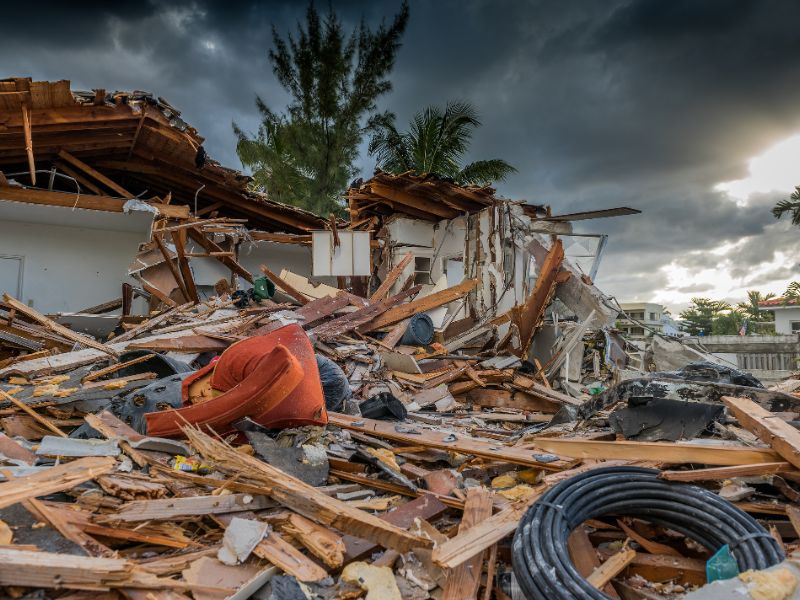
Hurricane and Storm Losses
We represent homeowners and business owners in significant hurricane and storm damage claims involving roof damage, interior water intrusion, structural damage, business interruption, loss of use, and disputed repair costs. These claims often involve delayed inspections, underpaid estimates, improper depreciation, causation disputes, and carriers attempting to minimize the true scope of storm-related damage. Our role is to build the claim through documentation, expert support, policy analysis, and litigation when necessary to pursue the full recovery owed under the insurance policy.
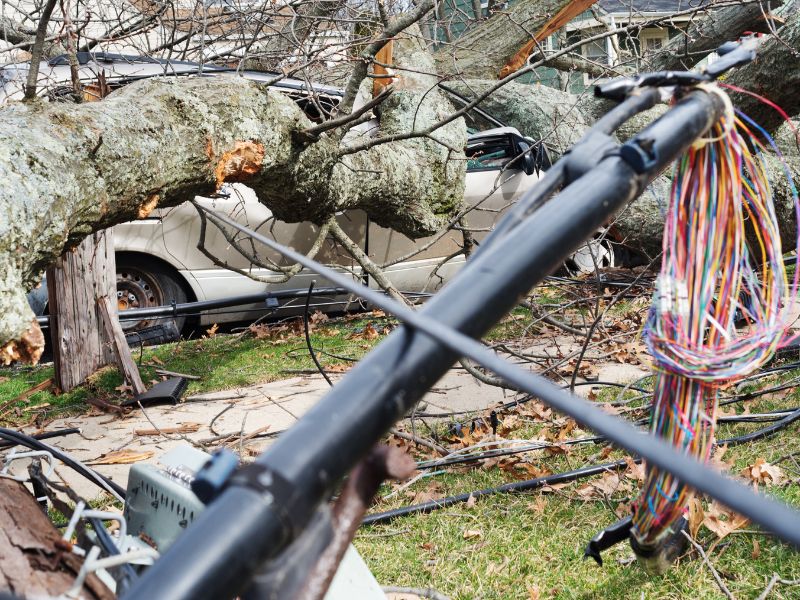
Wind and Tornado Damage
Wind and tornado claims can cause devastating property damage in a matter of seconds, including roof failure, exterior damage, broken windows, water intrusion, and structural compromise. We assist property owners in presenting and pursuing claims where insurers dispute whether the damage was caused by wind, wear and tear, faulty construction, or some excluded cause. These cases require a disciplined review of the property, weather data, engineering opinions, repair estimates, and policy language to hold the carrier accountable for covered wind-related losses.
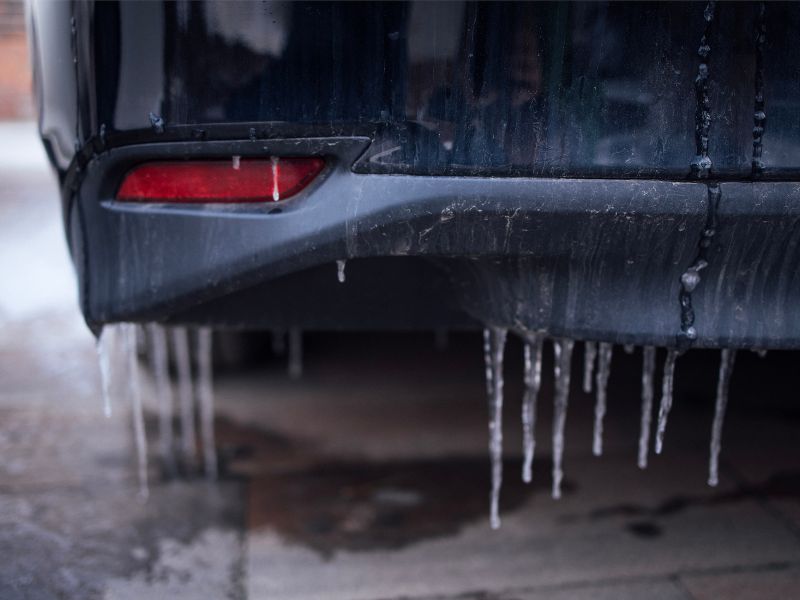
Freeze and Water Damage
Freeze and water damage claims frequently involve burst pipes, plumbing failures, appliance leaks, ceiling collapses, flooring damage, mold concerns, and extensive interior repairs. Insurance companies often dispute the cause of the loss, the timing of the leak, whether the damage was sudden and accidental, or whether exclusions apply. We help clients navigate these complex claims by developing the evidence needed to prove coverage, document the full scope of repairs, and challenge unreasonable delays, denials, or low settlement offers.
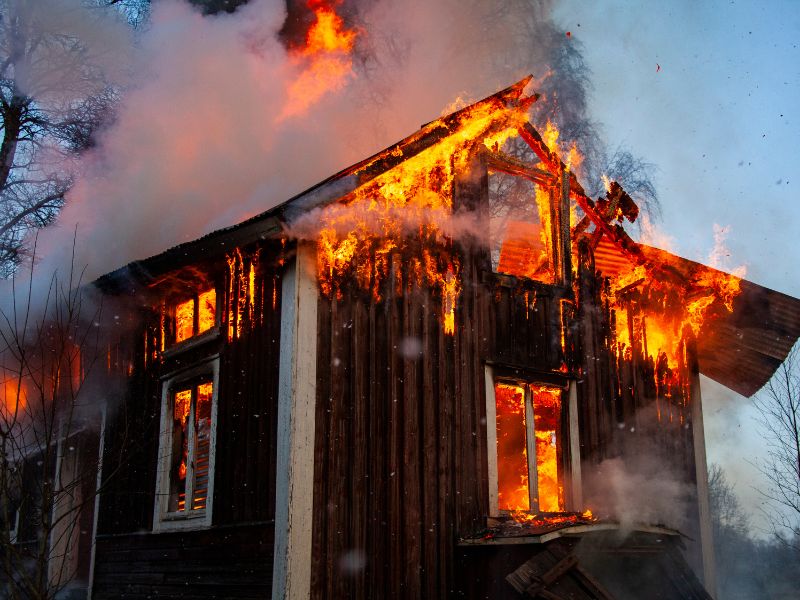
Fire and Smoke Damage
Fire and smoke damage claims can be among the most disruptive property losses, affecting not only the structure itself but also personal property, business operations, temporary living arrangements, and emotional stability. We represent clients dealing with residential and commercial fire losses, including disputes over cause and origin, smoke damage, contents valuation, code upgrades, demolition, rebuild costs, and additional living expenses. Our focus is to ensure that the insurance company properly evaluates the entire loss and does not undervalue the cost of restoring the property and the client’s life or business.
Commercial Property Claims
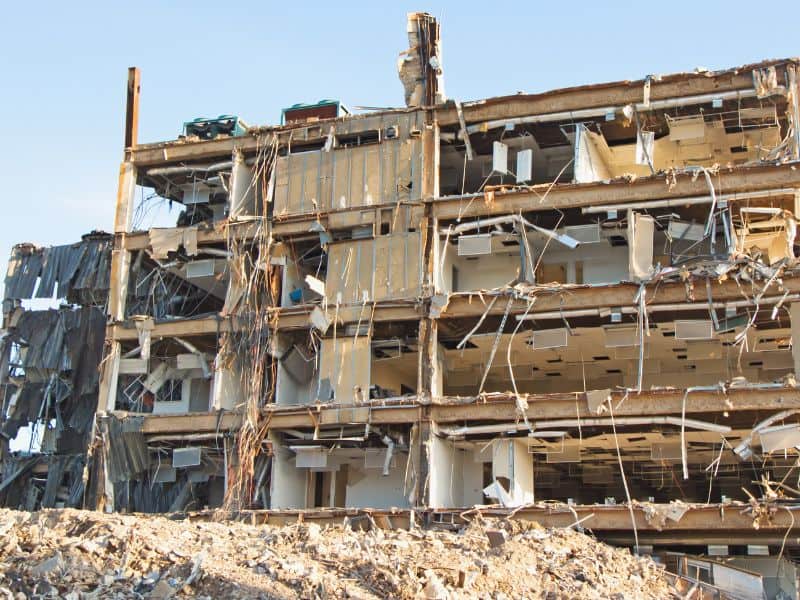
Commercial property claims often involve substantial financial consequences beyond the physical damage to the building, including lost income, tenant issues, equipment damage, inventory loss, delayed reopening, and business interruption. We represent business owners in claims involving storm damage, fire, water losses, roof failures, and other covered events where insurers delay payment, dispute scope, or undervalue the interruption to operations. These claims require careful attention to both the insurance policy and the financial realities of the business so that the full impact of the loss is properly presented.

Bad-Faith Insurance Disputes
When an insurance company unreasonably delays, denies, or underpays a valid claim, it may be acting in bad faith. We handle disputes involving failure to timely investigate, failure to make reasonable payment after proof of loss, improper denial of coverage, lowball estimates, repeated requests for unnecessary information, and claim handling designed to pressure policyholders into accepting less than they are owed. In these cases, we pursue not only the benefits due under the policy, but also any penalties, attorney’s fees, and damages available under Louisiana law.
Property Damage FAQs
Attempting to determine what type of insurance you have for your home, automobile, or business?
Insurers generally issue multiple different lines of insurance. You can request a copy of the applicable insurance company declaration page directly from the insurance agent who secured your policy. You should reach out to a professional to determine what coverages you have for your auto, home dwelling, other structures, contents, additional living expenses, etc.
What are my coverage limits?
Coverage limits refer to the maximum amount an insurance policy will pay for a covered loss. Review your policy to understand the limits for different categories of coverage, such as dwelling coverage, personal property coverage, and additional living expenses. Ensure that your coverage limits adequately reflect the value of your property and possessions.
Another important consideration is the deductible. A deductible is the amount you pay out of pocket before your insurance coverage kicks in. In Louisiana, hurricane insurance often has a separate deductible specifically for hurricane-related claims. This deductible can be a percentage of the insured property’s value or a specific dollar amount. Some insurance policies in Louisiana may have named storm deductibles, which apply when a recognized meteorological agency names a hurricane or tropical storm. Understand how these deductibles work and their specific triggers. Understand the deductible amount and how it applies to your policy.
What responsibilities do I have after my property sustains damage in a storm?
Insurance policies often outline specific responsibilities of the policyholder, Most insurance policies include the following responsibilities and duties on every insured, including in part: promptly notifying the insurance company of a loss, taking steps to mitigate further damage, and providing accurate and timely information during the claims process. This list is not exhaustive, and each policy requirements are unique. Failure to meet these responsibilities may affect your claim.
How should I document my claim?
Photographs and videos are valuable tools for documenting hurricane property damage. You can consider the following steps to properly document the claim:
Start with an overview: Begin by taking wide-angle shots that provide an overall view of the damaged area, including the exterior and interior of the property.
Focus on details: Capture close-up shots that highlight specific damages. This includes structural damage, broken windows, water intrusion, damaged personal property, and any other visible evidence of the hurricane’s impact.
Capture multiple angles: Take photographs or videos from different angles to provide a comprehensive view of the damages. This helps the insurance company assess the extent of the loss accurately.
Date and label: Ensure that the date is visible on your camera or smartphone when taking the photos. Additionally, label the images or videos with specific details, such as the location within the property or a brief description of the damage.
You should also Document personal property by preparing a list including: detailed descriptions, purchase receipts (if available), and estimated replacement costs.
What documents should I keep and submit to the insurance company once I start repairs?
You should Retain copies of receipts for any expenses incurred as a result of the hurricane damage, such as temporary repairs, emergency accommodations, meals, or transportation costs. These receipts provide evidence of your out-of-pocket expenses. You should also create a detailed log that documents all hurricane-related expenses, including expenses for repairs, temporary living arrangements, and other costs directly resulting from the damage. Include dates, descriptions, and corresponding receipts, if available.
How should I file my insurance claim in Louisiana?
When filing a hurricane damage claim in Louisiana, follow these steps:
Read the instructions: Carefully review the instructions provided by the claims department to understand the requirements and procedures.
Provide policy and contact information: Include your policy number, contact details, and other requested information.
Describe the damages: Clearly and accurately describe the damages caused by the hurricane. Provide details about affected areas, the extent of the damage, and any relevant information requested on the form.
Include supporting documentation: Attach any supporting documentation required, such as photographs, videos, receipts, estimates, or professional evaluations.
Support your claim by including relevant supporting documentation. This may include photographs, videos, receipts, estimates, invoices, or other documentation verifying the damages and expenses claimed. Keep copies of all documentation (correspondence, receipts, photographs, etc.) for your records.
Is there a deadline to submit a storm related claim?
In Louisiana, submitting your claim within any specified timeframes outlined in your insurance policy is important. Failure to meet claim deadlines may result in claim denial. Be aware of the time limit outlined in your insurance policy and ensure your claim is submitted before the required date.
Have you previously submitted a claim, but you have not received payment?
First party property insurers should evaluate claims. Because of deductibles, depreciation, and other reasons, the insurance company may not provide a payment to the insured. This does not mean you cannot pursue your claim further and potentially recover from your insurance company.
Have you previously submitted a claim, but you believe your insurer undervalued or underpaid the claim?
Insurers often come up with their own value of your claim. Insureds have the right to contest the insurance company’s value of the claim. The insured must gather evidence in support of the claim, which may be through photos, estimates, invoices, and expert adjusters, contractors, engineers, etc.
Did you submit a claim, but your insurance company has ignored you and/or has not responded?
Insurers must acknowledge your claim within a certain time period.
Did you submit a claim, but your insurance company told you that you do not have coverage?
What claims can I submit against my insurer?
Structural Damage: Hurricane insurance typically covers the cost of repairing or rebuilding structures, including the roof, walls, windows, and foundation, that high winds, falling debris, or other hurricane related perils have damaged.
Personal Property Damage: This includes coverage for damage to personal belongings such as furniture, appliances, electronics, clothing, and other items within the insured property. The policy may specify certain limits or exclusions for high-value items like jewelry or artwork.
Additional Living Expenses: If the insured property becomes uninhabitable due to hurricane damage, the insurance policy may cover the necessary additional living expenses incurred by the policyholder, such as temporary accommodation, meals, and transportation.
Debris Removal: Hurricane insurance may cover the cost of removing debris caused by the storm from the insured property.
Did you submit a claim, but your insurance company is now insolvent, filed for bankruptcy, or is in receivership?
Simply because your insurance company has declared bankruptcy or filed for receivership does not mean you can no longer recover your damages. The State of Louisiana has established through statutory law the Louisiana Insurance Guaranty Association, commonly knows as “LIGA”, to protect certain insureds through the State of Louisiana. You should consult with a professional to determine whether LIGA would provide coverage for your claim.
What is the state of limitations or the prescriptive period for claims against your insurance company in Louisiana(deadline to file a lawsuit)?
La. R.S. § 22:868 outlines the following:
A. No insurance contract delivered or issued for delivery in this state and covering subjects located, resident, or to be performed in this state, or any group health and accident policy insuring a resident of this state regardless of where made or delivered, shall contain any condition, stipulation, or agreement either:
(1) Requiring it to be construed according to the laws of any other state or country except as necessary to meet the requirements of the motor vehicle financial responsibility laws of such other state or country.
(2) Depriving the courts of this state of the jurisdiction or venue of action against the insurer.
B. No insurance contract delivered or issued for delivery in this state and covering subjects located, resident, or to be performed in this state, or any health and accident policy insuring a resident of this state regardless of where made or delivered, shall contain any condition, stipulation, or agreement limiting right of action against the insurer to a period of less than twenty-four months next after the inception of the loss when the claim is a first-party claim, as defined in R.S. 22:1692, and arises under any insurance classified and defined in R.S. 22:47(6), (10), (11), (12), (13), (15), and (19) or to a period of less than one year from the time when the cause of action accrues in connection with all other insurances unless otherwise specifically provided in this Code.
What Our Clients Say
Dustin handled our case professionally and in a timely manner, keeping us updated on the process as needed. Much appreciated!

Dustin Poche is a fantastic attorney and helped me and my partners tremendously on our hurricane claim when the insurer was being very difficult. Dustin is professional, responsive, and proactive. I hope I never need an attorney again but if I do I’ll call Dustin!
Tyler R.
Dustin Poche provided timely and professional legal services in a situation where, we as first time homeowners, did not know where to turn. Our home was damaged during a nearby construction by a company that had vast resources and experience. Dustin fought for us and reached a settlement we were pleased with. We were able to return our home to a pre-damage state that we are proud of. Thank you Dustin for your hard work and guidance.
Patrick F.
Ready to Discuss Your Case?
Get clear guidance, honest expectations, and trial-ready representation from an attorney who prepares every case as if it will go before a jury.