

Personal Injury Claims in Louisiana
Dustin L. Poché represents injured individuals and families in Louisiana personal injury claims with a focus on disciplined case development, clear communication, and trial-ready preparation from the start. Every case is approached with the understanding that insurance carriers and defense lawyers evaluate risk differently when they know a claim has been built carefully and can be presented to a jury if necessary.
Former ADA
Assistant District Attorney (Orleans Parish)
10 Years
Insurance Defense Experience
NITA Trained

Justice Through Advocacy
Whether the injury arose from a car wreck, a commercial vehicle crash, a dangerous property condition, or another preventable event, the goal is the same: identify liability, document the harm fully, and pursue the compensation the law allows.

Hands-on Representation for Serious Injury Claims.

Auto Accidents
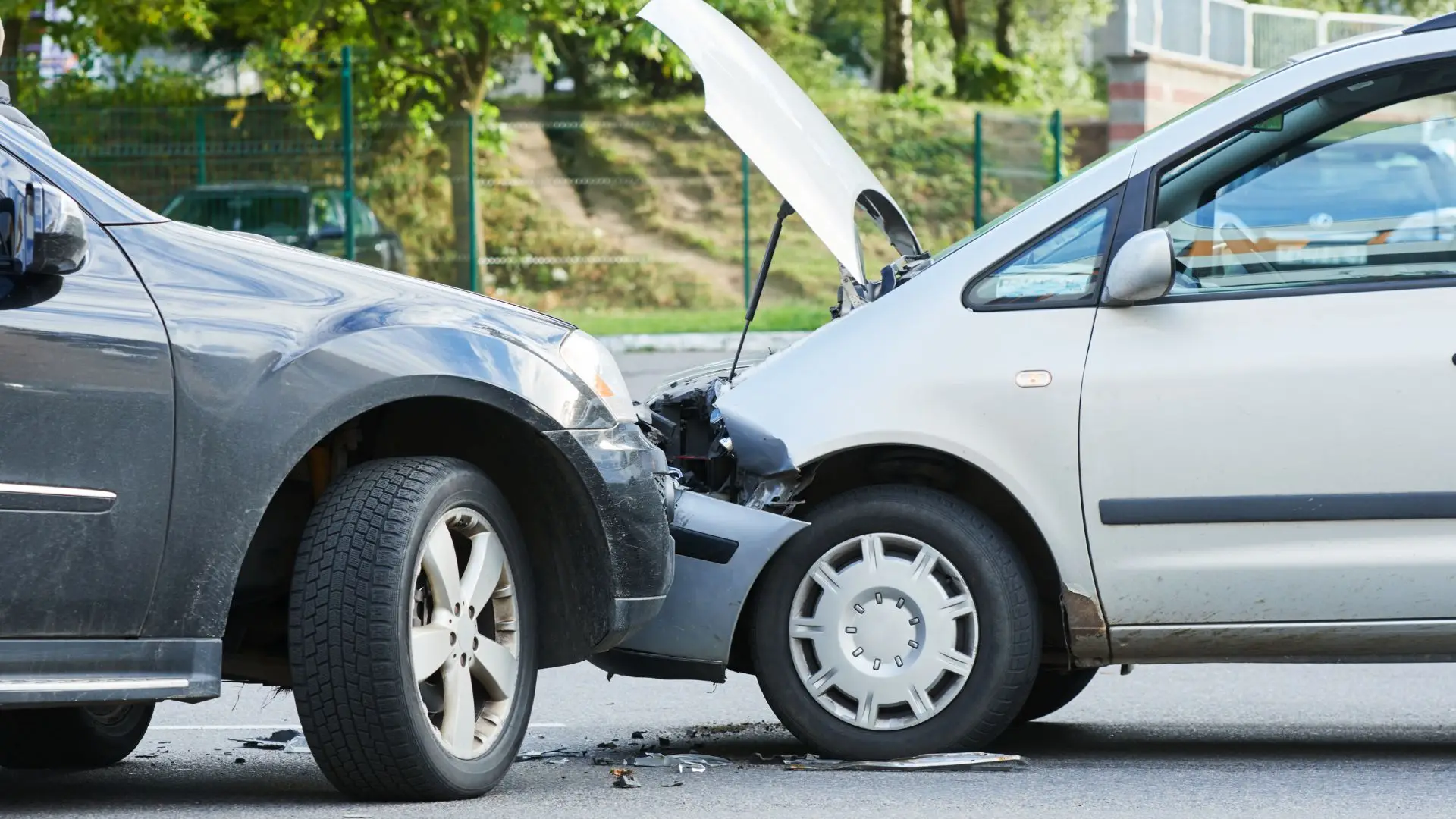
Car wreck cases are often treated by insurers as routine claims. They are not routine to the person dealing with pain, treatment, missed work, vehicle issues, and uncertainty about what comes next.
Auto accident representation includes investigating how the crash occurred, securing the available evidence, addressing liability disputes, and presenting the full measure of damages. That includes not only medical expenses and lost wages, but also the day-to-day effects the injury has had on the client’s life.
These cases may involve:
- Rear-end collisions
- Intersection and failure-to-yield crashes
- Lane-change and merging collisions
- Distracted-driving crashes
- Hit-and-run claims
- Uninsured or underinsured motorist issues
- Disputed-fault cases
Trucking and Commercial Vehicle Accidents
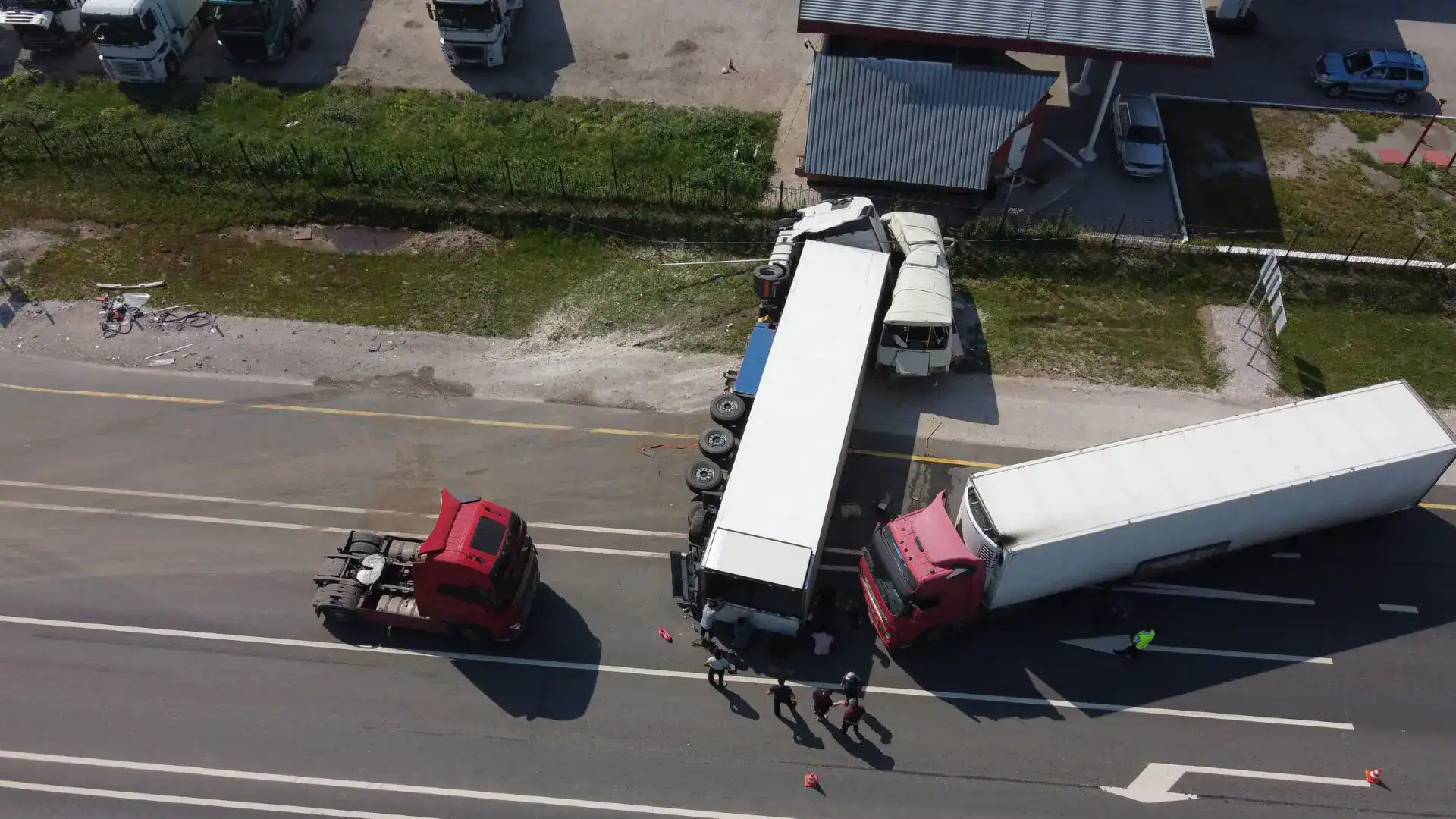
Collisions involving 18-wheelers, delivery vehicles, company trucks, work vans, and other commercial vehicles are different from ordinary car wrecks. The injuries are often more serious, the evidence is more complex, and multiple parties may be involved.
These cases can require immediate attention to preservation issues, including driver records, electronic data, maintenance materials, company policies, and other evidence that may not remain available indefinitely. They also require a detailed understanding of how commercial carriers, corporate defendants, and their insurers defend these claims.
Representation in trucking and commercial vehicle cases focuses on:
- Identifying all potentially responsible parties
- Preserving critical evidence early
- Examining driver conduct, training, and supervision
- Evaluating vehicle maintenance and inspection issues
- Addressing corporate and insurance defenses
- Presenting the full extent of catastrophic or long-term harm

Premises Liability
Property owners and businesses have a duty to keep their premises reasonably safe. When they fail to do so, serious injuries can result.
Premises liability claims can arise from dangerous conditions that should have been corrected, addressed, or warned against. These cases are often heavily fact-dependent and require prompt investigation into what the owner knew, how long the condition existed, and whether reasonable steps were taken to prevent harm.
These claims may involve:
- Dangerous walking surfaces
- Neglected maintenance issues
- Unsafe building conditions
- Inadequate lighting
- Unmarked hazards
- Falling objects
- Unsafe ingress or egress

Slip and Fall Accidents
Slip-and-fall and trip-and-fall claims are often defended aggressively. Businesses and insurers frequently argue the condition was open and obvious, did not exist long enough to be discovered, or was somehow the injured person’s fault.
A strong slip-and-fall claim requires more than showing that a fall occurred. It requires evidence about the condition itself, notice, inspection practices, cleanup procedures, surveillance footage, incident reporting, and the resulting injuries.
These cases may arise from:
- Wet floors
- Uneven surfaces
- Loose flooring or mats
- Spills or tracked-in substances
- Broken steps or handrails
- Poor lighting in walkways or stairwells

Wrongful Death and Survival Action Claims
When negligence results in the loss of a loved one, the legal claim is only one part of a much larger loss. Families need clear guidance, honest communication, and a disciplined approach to identifying what happened and who is responsible.
Wrongful death and related survival action claims may arise from motor vehicle crashes, dangerous property conditions, work-related incidents, defective products, and other fatal events caused by preventable misconduct.
These cases often involve:
- Investigation into the cause of death
- Coordination with family members and succession issues
- Recovery of damages allowed under Louisiana law
- Presentation of both economic and human losses
- Careful preparation for litigation when needed
Product Liability
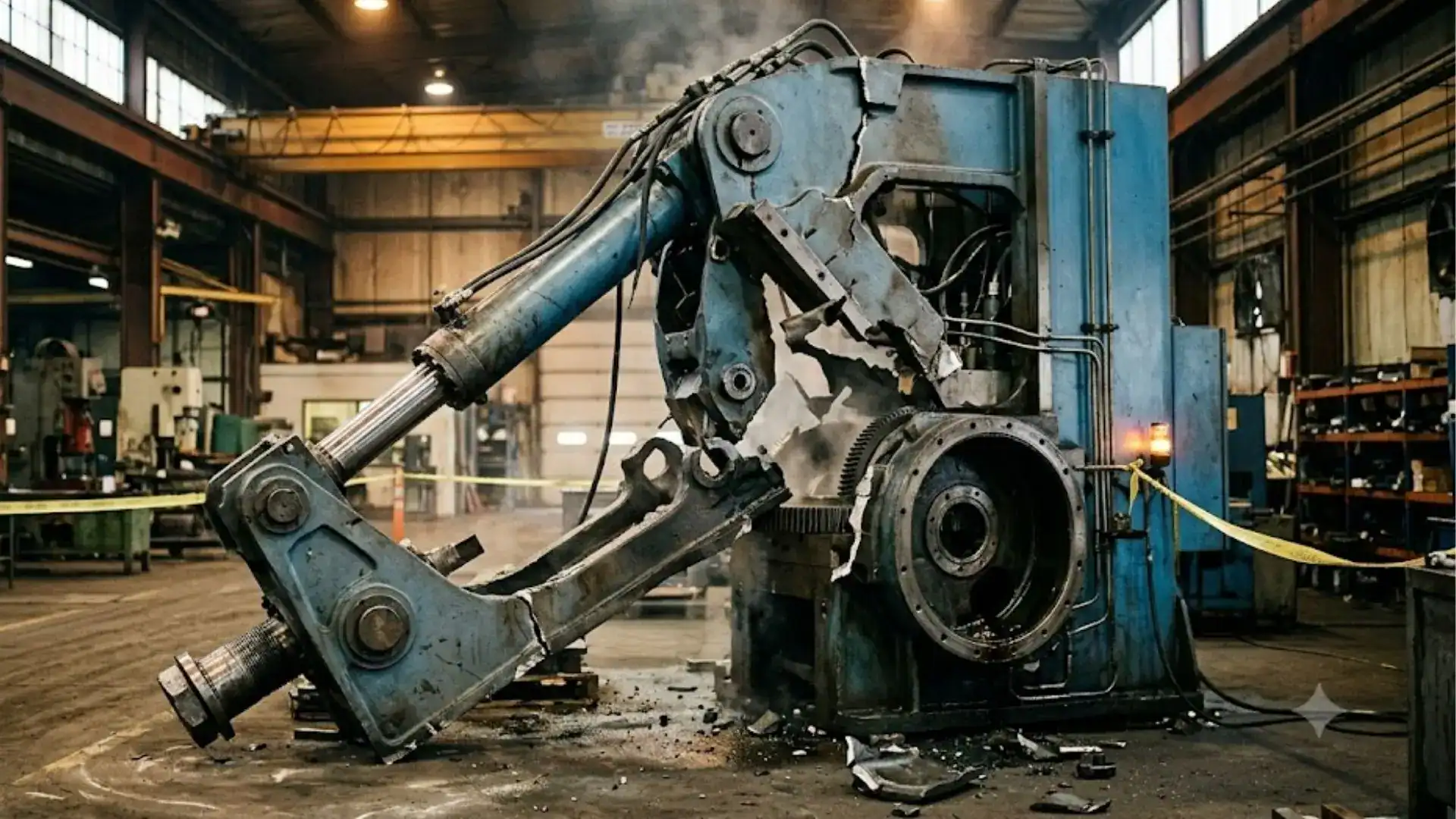
Manufacturers, distributors, and sellers can be held responsible when defective or unreasonably dangerous products cause injury.
These cases are often technically demanding and require close examination of the product, the accident mechanism, and the available evidence.
Product-related injury claims may involve:
- Defective design
- Manufacturing defects
- Inadequate warnings or instructions
- Dangerous consumer products
- Unsafe equipment or tools
- Vehicle or component failures
These cases often require immediate preservation of the product and surrounding evidence. Once that evidence is lost, altered, or discarded, the case can become far more difficult to prove.

Work Accidents and Injury Claims
A serious injury at work can raise multiple issues at the same time. In some cases, workers’ compensation benefits may be involved.
In others, a third-party claim may also exist against someone other than the employer.
Work-accident cases may involve:
- Jobsite accidents
- Vehicle crashes during work duties
- Contractor or subcontractor negligence
- Unsafe premises
- Defective tools or equipment
- Industrial or commercial incidents
The key question is not only how the accident happened, but also whether there is a viable claim beyond workers’ compensation. That analysis can significantly affect the value and direction of the case.

Claims for Survivors of Religious & Institutional Abuse
These cases may involve:
- Abuse involving clergy or religious organizations
- Abuse involving schools, youth programs, or other institutions
- Childhood sexual abuse
- Negligent supervision or failure to protect
- Claims involving concealment or failure to respond to prior reports
Every Survivor’s circumstances are different. Potential claims, responsible parties, and applicable filing deadlines must be evaluated individually.
Institutional & Religious Abuse

These cases may involve:
- Abuse involving clergy or religious organizations
- Abuse involving schools, youth programs, or other institutions
- Childhood sexual abuse
- Negligent supervision or failure to protect
- Claims involving concealment or failure to respond to prior reports
Why Early Representation Matters
Personal injury cases are built in stages, but the foundation is laid early. Evidence disappears. Vehicles are repaired. Conditions change. Witnesses become harder to locate. Insurance companies begin evaluating exposure immediately.
Early representation helps preserve evidence, frame the claim properly, and avoid preventable mistakes. The objective is simple: prepare every case as though it may need to be presented to a jury, while remaining strategic about opportunities to resolve it beforehand.

Personal Injury FAQs
I was injured in an auto accident. What should I do first?
After an auto accident, your first priority should be your health and safety. If you are injured, seek medical treatment as soon as possible. You should also contact law enforcement so that a crash report can be prepared. If you are able, gather information from the other driver, including their name, phone number, driver’s license information, insurance company, policy number, license plate, and vehicle information.
You should also photograph the vehicles, accident scene, road conditions, traffic signals, visible injuries, and anything else that may help explain how the accident occurred. If there are witnesses, try to obtain their names and contact information.
Should I speak with the other driver’s insurance company?
You should be cautious before speaking with the other driver’s insurance company. Insurance adjusters may ask for recorded statements, medical authorizations, or information that could later be used to dispute your claim. Before giving a recorded statement or signing any documents, you should consider consulting with an attorney.
What information should I gather after an accident?
You should gather and preserve as much information as possible, including:
- Police report or crash report number;
- Names and contact information for all drivers;
- Insurance information for all vehicles involved;
- Photographs and videos of the accident scene;
- Photographs of vehicle damage;
- Photographs of visible injuries;
- Names and contact information for witnesses;
- Tow yard, repair shop, or rental car information;
- Hospital and/or Urgent Care medical records and bills; and
- Any written communications from insurance companies.
The more documentation you have, the easier it is to prove liability, damages, and the full value of your claim.
What if I do not feel pain immediately after the crash?
What types of damages can I recover in a personal injury claim?
Each claim is different, and the value of a personal injury claim depends on liability, insurance coverage, injuries, medical treatment, damages, and the specific facts of the case. Depending on the facts of your case, you may be able to recover damages for:
- Past and future medical expenses;
- Physical pain and suffering;
- Mental anguish and emotional distress;
- Loss of enjoyment of life;
- Lost wages;
- Loss of earning capacity;
- Disability or impairment;
- Scarring or disfigurement;
- Property damage;
- Rental car expenses;
- Loss of use of your vehicle;
- Other out-of-pocket expenses.
What is medical payments coverage?
Medical payments coverage, often called “Med Pay,” is optional automobile insurance coverage that may pay medical expenses regardless of who caused the accident. If you have Med Pay coverage on your own auto policy, it may help pay medical expenses while your injury claim is pending.
You should review your declarations page or request a copy of your policy to determine whether you have Med Pay coverage.
What is uninsured/underinsured motorist coverage?
What if the at-fault driver does not have insurance?
If the at-fault driver does not have insurance, you may still have a claim through your own uninsured motorist (“UM”) coverage. You should request and review your own auto policy, including the declarations page and any UM selection/rejection forms.
If you do not have UM coverage, recovery may be more difficult, but you should still consult with an attorney to determine whether other insurance, employer coverage, vehicle-owner coverage, commercial policies, or other responsible parties may be available.
What if the at-fault driver has minimum insurance limits?
What is Louisiana’s “No Pay, No Play” law?
Louisiana’s “No Pay, No Play” law may limit recovery for certain uninsured drivers involved in motor vehicle accidents. Depending on the facts, the statute may bar recovery for certain amounts of bodily injury and property damage for uninsured owners or operators involved in a motor vehicle accident.
There are exceptions and factual issues that may affect whether the law applies. If you were uninsured at the time of the accident, you should speak with an attorney before assuming that you cannot pursue a claim.
What if I was partially at fault for the accident?
You may still have a claim even if the insurance company argues that you were partially at fault. Louisiana generally follows comparative fault principles, which means fault can be allocated among the parties. If you are assigned a percentage of fault, your recovery may be reduced by that percentage.
Insurance companies often try to shift blame to reduce what they owe. Fault should be evaluated based on the evidence, including the police report, witness statements, photographs, vehicle damage, traffic laws, and accident reconstruction evidence when necessary.
What if the crash involved an 18-wheeler, commercial vehicle, delivery truck, or company vehicle?
Why are trucking accident claims different from regular car accident claims?
Trucking accidents often involve larger vehicles, more severe injuries, higher insurance limits, corporate defendants, and more complex regulations. A trucking company may have documents and electronic data that are critical to proving fault, including:
- Driver qualification files;
- Hours-of-service records;
- Inspection reports;
- Maintenance records;
- Dispatch records;
- GPS data;
- Electronic logging device data;
- Black box or ECM data;
- Camera footage;
- Cargo loading records;
- Safety policies and procedures.
An early investigation is important to preserve this evidence.
What is a preservation letter?
A preservation letter is a written request instructing a person, company, or insurance carrier to preserve evidence related to an accident. In trucking and commercial vehicle cases, this may include the vehicle, onboard data, camera footage, driver logs, maintenance records, dispatch records, and company safety documents.
A preservation letter helps prevent important evidence from being deleted, altered, repaired, overwritten, or destroyed.
Should I repair or dispose of my vehicle after a crash?
Before repairing, selling, or disposing of a vehicle involved in a serious accident, you should consider whether the vehicle needs to be inspected or photographed. In significant injury cases, vehicle damage can help prove the severity and mechanics of the crash.
If the crash involved a commercial vehicle, 18-wheeler, disputed liability, or serious injury, preservation of the vehicle and related evidence may be especially important.
What should I do if I miss work because of the accident?
You should document all missed work. This may include pay stubs, employer letters, tax records, time sheets, work schedules, and documentation from your medical providers. If your injuries affect your ability to work in the future, you may also have a claim for loss of earning capacity.
Self-employed individuals should gather invoices, tax returns, profit-and-loss records, calendars, canceled jobs, and other documents showing lost income.
Should I post about my accident or injuries on social media?
You should be very careful with social media after an accident. Insurance companies and defense attorneys may review public posts, photographs, comments, check-ins, and videos. Even innocent posts can be taken out of context and used to argue that you are not as injured as claimed.
You should avoid posting on social media about the accident, your injuries, your medical treatment, your activities, or your claim while the matter is pending.
What if the insurance company says my injuries were pre-existing?
How long do I have to file a personal injury lawsuit in Louisiana?
Louisiana changed the general prescriptive period for delictual/tort actions effective July 1, 2024. La. Civil Code article 3493.1 provides that delictual actions are generally subject to a liberative prescription of two years, beginning from the day injury or damage is sustained.
However, deadlines can vary depending on the date of the accident, the type of claim, the parties involved, whether a governmental entity is involved, whether the injured person is a minor, and other legal issues. You should consult with an attorney as soon as possible to determine the applicable deadline.
What if the insurance company offers me a quick settlement?
You should be cautious before accepting an early settlement. Once you sign a release, you may be giving up your right to recover additional money, even if your injuries get worse or you need future treatment.
Before accepting a settlement, you should understand the full extent of your injuries, medical expenses, future treatment needs, lost wages, available insurance coverage, liens, and reimbursement obligations.
What if a loved one died because of an accident?
If a loved one died because of an accident, certain family members may have wrongful death and survival claims under Louisiana law. These claims may include damages for loss of love and affection, grief, funeral expenses, medical expenses before death, conscious pain and suffering before death, and other legally recoverable damages.
Wrongful death and survival claims involve specific legal rules regarding who may bring the claim and what damages may be recovered. You should consult with an attorney promptly.
What if I was injured while working?
If you were injured while working, you may have a workers’ compensation claim. If someone other than your employer or co-employee caused the accident, you may also have a third-party personal injury claim. For example, if you were driving for work and another driver caused a crash, you may have both a workers’ compensation claim and a claim against the at-fault driver.
These claims can involve reimbursement rights and liens, so they should be carefully coordinated.
What if I was injured by a rideshare, delivery driver, or company vehicle?
Accidents involving rideshare drivers, delivery drivers, company vehicles, and commercial vehicles may involve additional insurance coverage. The available coverage may depend on whether the driver was working, logged into an app, carrying a passenger, making a delivery, or acting within the course and scope of employment.
You should gather information about the driver, vehicle, employer, app, delivery company, and insurance policies involved.
What if the accident happened in Louisiana but the at-fault driver is from another state?
What if I signed something from the insurance company?
What if my vehicle was damaged but I was also injured?
Property damage and bodily injury claims are usually separate parts of the overall claim. You may be able to resolve the vehicle damage portion while keeping the bodily injury claim open, but you must be careful not to sign a release that waives all claims.
Before signing any property damage release, confirm that it does not release your bodily injury claim.
What Our Clients Say

Attorney Dustin Poche has excellent professionalism, communicates well, and took care of everything from the moment I became a client. He’s prompt and dedicated to the clients best interests.
Ready to Discuss Your Case?
Get clear guidance, honest expectations, and trial-ready representation from an attorney who prepares every case as if it will go before a jury.